Cross Functional Team Collaboration || A Leader's Guide to Breaking Organisational Silos
Learn how to break down organizational silos and improve cross-functional team collaboration.
Understanding Cross Functional Teams in Modern Organizations

Most companies struggle with departments that work in isolation, making it hard to share information and come up with new ideas. Cross-functional teams solve this problem by bringing together people from different areas like engineering, marketing, and sales to tackle projects together. When team members can easily share their expertise and perspectives, they're much better equipped to handle complex challenges that affect multiple parts of the organization.
The Benefits of a Cross-Functional Approach
Working across departments creates some clear advantages. Problems get solved faster because you have different experts looking at them from multiple angles. The mix of backgrounds and skills also leads to more creative solutions - someone from marketing might spot opportunities that an engineer would miss, and vice versa. Plus, when people work closely with colleagues from other departments, they develop a better understanding of how different parts of the company operate and connect.
The business world has taken notice of these benefits. 83% of organizations now use cross-functional teams to stay quick and competitive. These diverse groups handle complex projects more effectively by applying varied expertise to each challenge. Studies show they're even 50% more productive than traditional single-department teams. You can check out more interesting stats about cross-functional collaboration here: Latest Cross-Functional Team Statistics
Cross-Functional Teams vs. Traditional Structures
The way information flows marks a key difference between cross-functional and traditional teams. In old-school department structures, messages often get stuck moving up and down the chain of command. Cross-functional teams talk directly with each other instead, making decisions and fixing issues much faster. They also think differently about solving problems. While individual departments might only focus on their piece of the puzzle, cross-functional teams consider how their solutions affect the whole organization. This broader perspective helps companies adapt more quickly to changes in their industry and customer needs.
Building High-Performing Cross Functional Teams
Creating an effective cross-functional team takes more than just pulling people from different departments. Success requires thoughtful planning around team dynamics and individual capabilities. The best teams develop through deliberate effort and organizational support that enables true collaboration.
Key Elements of Team Composition
Think of building a cross-functional team like assembling an all-star sports lineup - you need different but complementary skills working in harmony. For example, a product development team might include engineers who understand technical constraints, marketers who know customer needs, and designers who can create an intuitive user experience. When team members bring diverse expertise, they can tackle challenges from multiple angles. Want to learn more? Check out: How to master cross-functional collaboration between sales engineers and other teams.
Establishing Clear Roles and Responsibilities
Just as a sports team needs clearly defined positions, cross-functional teams work best when everyone understands their role. A RACI matrix (Responsible, Accountable, Consulted, and Informed) helps spell out who does what. This prevents overlap and ensures critical tasks don't slip through the cracks. Clear responsibilities also help team members understand how their work connects to the bigger picture.
Fostering a Culture of Open Communication
When people from different departments come together, communication barriers can emerge naturally. Marketing might use different terminology than engineering, while sales and product teams often have distinct ways of discussing features. Breaking down these silos requires active effort to create shared understanding through regular, open dialogue.
Practical Steps for Building a High-Performing Team
Here's what it takes to build an effective cross-functional team:
- Define clear objectives: Set specific goals that unite the team's efforts
- Select team members strategically: Look for both technical skills and collaboration abilities
- Establish a shared vision: Help everyone see how their piece fits into the overall mission
- Create a safe space for diverse perspectives: Welcome different viewpoints and healthy debate
- Regularly evaluate team performance: Check progress and adjust course as needed
Following these guidelines helps organizations create cross-functional teams that consistently deliver strong results. When teams have the right mix of skills, clear roles, and open communication, they're better equipped to develop creative solutions to complex challenges.
Mastering Communication Across Departmental Boundaries

When teams from different departments work together, clear communication makes all the difference between success and frustration. Breaking down communication barriers between departments takes deliberate effort and smart practices. Let's explore practical ways teams can communicate better and work together more smoothly.
Establishing Clear Communication Protocols
Picture this: Your engineering team has just finished designing a new product, only to learn that marketing hasn't had a chance to gather essential customer feedback. This kind of disconnect leads to wasted time and resources. The solution? Set up clear communication guidelines from day one:
- Regular check-ins: Quick daily meetings keep everyone on the same page about progress and roadblocks
- Central communication hub: Using tools like Slack or Microsoft Teams helps everyone stay connected and share files easily
- Clear processes: Well-documented workflows show exactly who needs to approve what and when
Think of these protocols as your team's playbook - they guide how everyone works together and shares information.
Tools and Techniques for Transparent Information Flow
Once you have basic protocols in place, the right tools can make information sharing much easier. A good project management system helps track deadlines and deliverables, while shared document storage gives everyone access to the latest files. For instance, an online project timeline helps team members see how their work fits into the bigger picture. Set specific guidelines about how often to communicate and which channels to use for different types of updates. You might be interested in: How to master using templates for efficient documentation and communication.
Addressing Common Communication Challenges
Different departments often speak different languages - and we're not talking about foreign languages here. Marketing might use "conversion rate" to mean one thing, while sales uses it differently. Creating a shared vocabulary list can prevent these mix-ups. Another common issue? Competing priorities between departments. The key is to discuss these conflicts openly, always keeping the team's shared goals in mind. This helps find solutions that work for everyone.
Building Strong Inter-Departmental Relationships
Good working relationships between departments don't just happen - they need attention and care. Beyond just knowing each other's names, team members need to build trust and respect. Simple team activities, both work-related and social, can help build these connections. Creating an environment where people feel safe sharing their thoughts - even when they disagree - leads to better solutions and stronger teamwork. When people trust each other, they're more likely to speak up with ideas that could improve the project.
Creating Aligned Goals and Success Metrics
Building effective cross-functional team collaboration starts with having everyone work towards a clear, shared vision. When teams establish common goals and metrics that matter to all departments, they develop a stronger sense of shared purpose. This section covers practical approaches to create and maintain this essential alignment.
Defining Shared Objectives and Key Results (OKRs)
Objectives and Key Results (OKRs) provide a practical framework that teams can use to set and track shared goals. This approach breaks down larger objectives into specific, measurable targets. For example, if a team's objective is "Launch a new product successfully," they might set key results like "Achieve 10,000 pre-orders by launch date" or "Reach 90% customer satisfaction in beta testing." OKRs help teams stay focused on what matters most while making progress visible to everyone involved.
Developing Measurable Targets and KPIs
Clear Key Performance Indicators (KPIs) help translate high-level objectives into concrete targets for each department. The key is choosing metrics that connect individual team contributions to the bigger picture. For instance:
- Marketing team: "Generate 5,000 qualified leads"
- Sales team: "Convert 50% of qualified leads into pre-orders"
- Product team: "Achieve 95% feature completion by deadline"
These specific metrics create accountability while showing how each team's work adds to the overall goal.
Balancing Department Needs with Overall Objectives
Teams often face tensions between department-specific priorities and broader project goals. For example, engineering might want to perfect a technical feature while marketing pushes to meet a launch deadline. Success comes from finding practical compromises through open discussion. Regular check-ins where teams can voice concerns and propose solutions help maintain this balance.
Implementing Performance Metrics That Encourage Collaboration
The right metrics can either build bridges or create walls between departments. Instead of measuring success only within individual teams, consider shared metrics that reflect joint achievements. Some examples:
- Time from initial concept to market launch
- Cross-team project completion rates
- Overall customer satisfaction scores
These combined metrics encourage teams to support each other rather than compete.
Tracking Progress and Maintaining Accountability
Regular progress reviews keep teams aligned and help catch potential issues early. Weekly check-ins provide a forum to:
- Review current metrics against targets
- Identify roadblocks and needed support
- Adjust plans based on new information
- Celebrate shared wins and learning opportunities
This consistent tracking helps teams stay focused while building trust through transparency.
Navigating Conflicts and Breaking Down Resistance
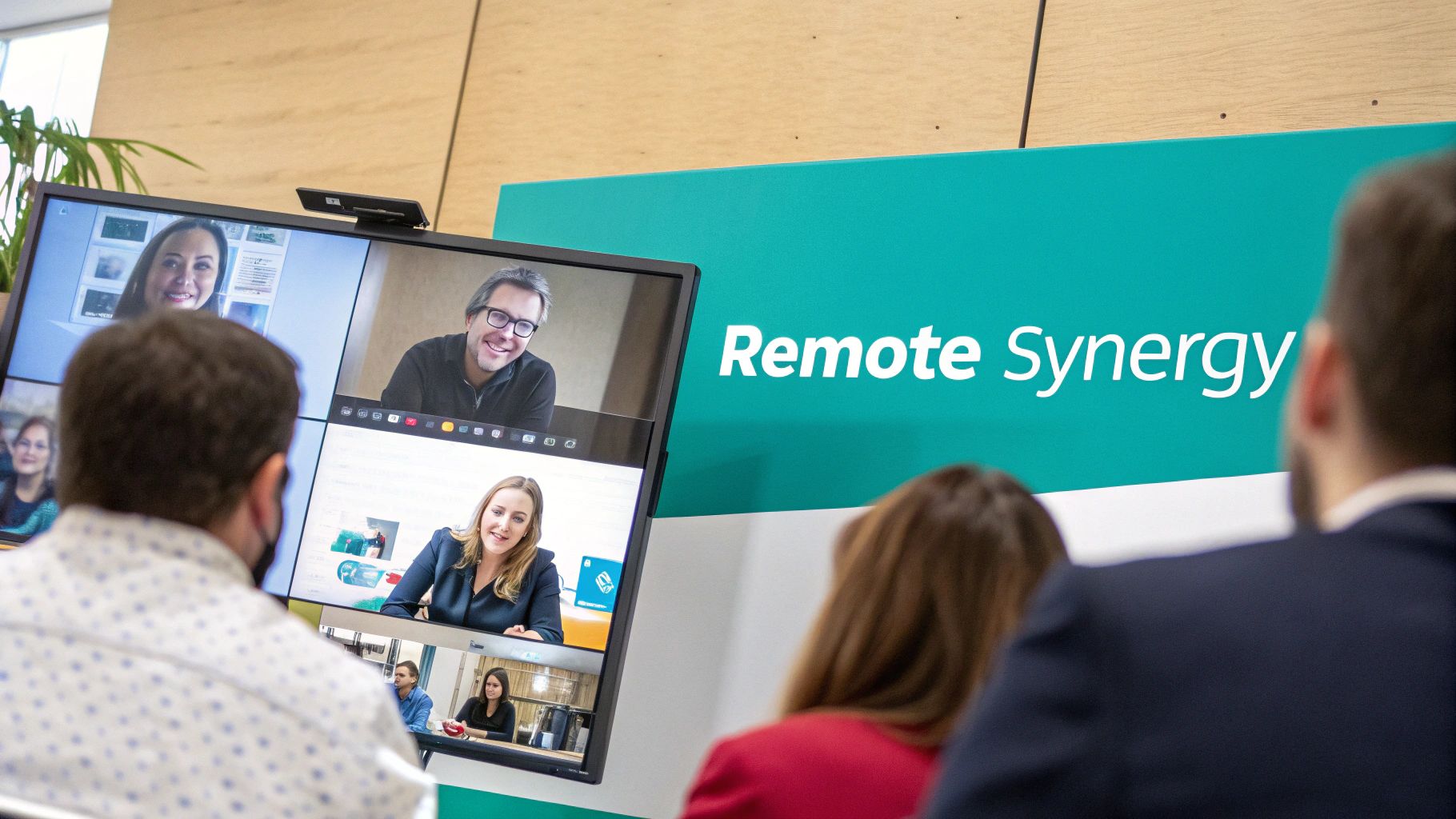
When different teams work together, disagreements naturally come up. While these challenges can feel frustrating, they often lead to better solutions when handled well. Let's explore practical ways to turn team conflicts into opportunities for growth. For more insights, check out our guide on How to master cross-functional collaboration for hardware startups.
Anticipating and Resolving Tensions
Smart team leaders spot potential conflicts early. Take the common friction between engineering and marketing teams over product features. One effective solution is running joint workshops at the project start to get everyone aligned on what customers need and what's technically possible. By tackling these discussions early, small differences don't grow into big problems. Clear guidelines for making decisions also help teams solve disagreements quickly and fairly.
Managing Resource Allocation Disputes
Teams often bump heads over limited budgets and staff time. The key is creating a clear system for deciding which projects get resources based on company goals. When everyone understands how these choices connect to the bigger picture, it's easier to accept decisions that might not favor their department. Regular check-ins to review and adjust priorities keep the process fair and responsive.
Building Bridges Across Departmental Divides
Strong relationships make collaboration work better. Team leaders should create chances for people from different departments to connect, whether through casual coffee chats or structured team activities. These interactions help build trust and understanding. When people know each other as individuals rather than just "marketing" or "engineering," they work through differences more smoothly.
Converting Resistance Into Engagement
It's normal for people to push back against new ways of working. The best response? Create an environment where everyone feels safe sharing concerns and suggesting alternatives. When team members see their input matters, resistance often turns into active participation. Their questions and worries become valuable feedback that makes projects stronger.
Constructive Disagreement as a Driver of Innovation
Well-managed debates spark better ideas. Teams should feel confident challenging assumptions and sharing different viewpoints. Setting basic rules for respectful discussion keeps these exchanges productive. Think of constructive disagreement like sandpaper - it might create friction, but it smooths rough edges and reveals something better underneath.
Choosing the Right Technology for Team Success

Getting cross-functional teams to work well together depends heavily on having the right tech tools. But picking those tools isn't just about following trends - it requires understanding exactly what your team needs to collaborate effectively. The goal is finding solutions that genuinely help people work better together, not just adding more software to the mix.
Must-Have Tools for Cross-Functional Teams
When teams work across different functions, certain types of tools become essential. Here are the key categories that help teams communicate clearly, stay organized, and share work smoothly:
-
Communication Hubs: Tools like Slack and Microsoft Teams create central spaces for discussions, file sharing, and quick updates. Having one place for all team conversations helps everyone stay in the loop.
-
Project Trackers: Software like Asana, Trello, or Monday.com makes it easy to organize tasks and monitor progress. These tools give everyone a clear view of what needs to be done and who's responsible.
-
Document Sharing: Solutions like Google Workspace or Microsoft SharePoint let teams edit documents together in real time. This prevents confusion about file versions and speeds up feedback.
What to Look for in Collaboration Tools
Finding the right tools means looking beyond fancy features. Focus on these practical factors:
-
Simple to Use: Everyone on the team should be able to figure out the basics quickly, regardless of their tech skills. Complex tools often go unused.
-
Works with Other Tools: New software should connect smoothly with the tools your team already relies on. This prevents information from getting stuck in separate systems.
-
Room to Grow: Pick tools that can handle more users and projects as your team expands. This saves the hassle of switching platforms later.
-
Keeps Data Safe: Strong security features and access controls are must-haves for protecting sensitive information.
Rolling Out New Tools Successfully
Getting a team to adopt new tools takes planning. Start by clearly identifying the specific problems you want to solve. Get input from team members about which features matter most to them. Then provide thorough training and ongoing help to make sure everyone can use the tools effectively.
Making Sure Tools Actually Help
Check regularly that new tools are making a real difference. Look at concrete numbers like how quickly projects get done and how much time people save on routine tasks. Ask team members what's working well and what could be better. Remember that tools should support real human connection, not replace it. For example, while video calls are great for meetings, teams also need casual chats and team-building time.
Boost your engineering team's productivity and collaboration with ProductFlo.io. Our platform provides integrated tools for project management, version control, and communication, helping you develop products 3x faster at a fraction of the cost. Learn more about how ProductFlo.io can transform your team's workflow.
Stop bad hardware changes before they ship.
30-day pilot on one active product. Fixed $8k. Live on your own BOM in week one.