Introduction || ProductFlo Manifesto
ProductFlo is a once-in-a-generation leap for hardware engineering—an AI-powered platform that transforms product development from slow, manual workflows into fast, fluid automation. It replaces outdated, GUI-heavy CAD tools with an intelligent, first-principles approach, empowering engineers to build creatively without the bottlenecks of legacy software.
A note from the ProductFlo team — September 2026: This post is from October 2025 and describes an earlier direction: a proprietary AI copilot ("Haitch") inside a cloud PLM built from first principles. We've since pivoted. ProductFlo is now the orchestration layer for mission-critical hardware engineering — governed AI agents that work across your existing tools, with a human approving every change. We're keeping this post up for transparency. See where we are now →
Why ProductFlo Is a Generational Leap in Hardware Development?
Imagine watching an engineer try to design a complex circuit board using an abacus. Absurd, right? Yet in many ways, today’s mechanical CAD (MCAD) and electronic CAD (ECAD) tools are the digital equivalent of the abacus – powerful in their time, but manually operated and fundamentally limited. By contrast, ProductFlo introduces an AI-driven platform as transformative as the invention of the computer itself, representing a once-in-a-generation leap for hardware engineering. This isn’t about incremental improvement; it’s about rethinking how we build hardware from the ground up.
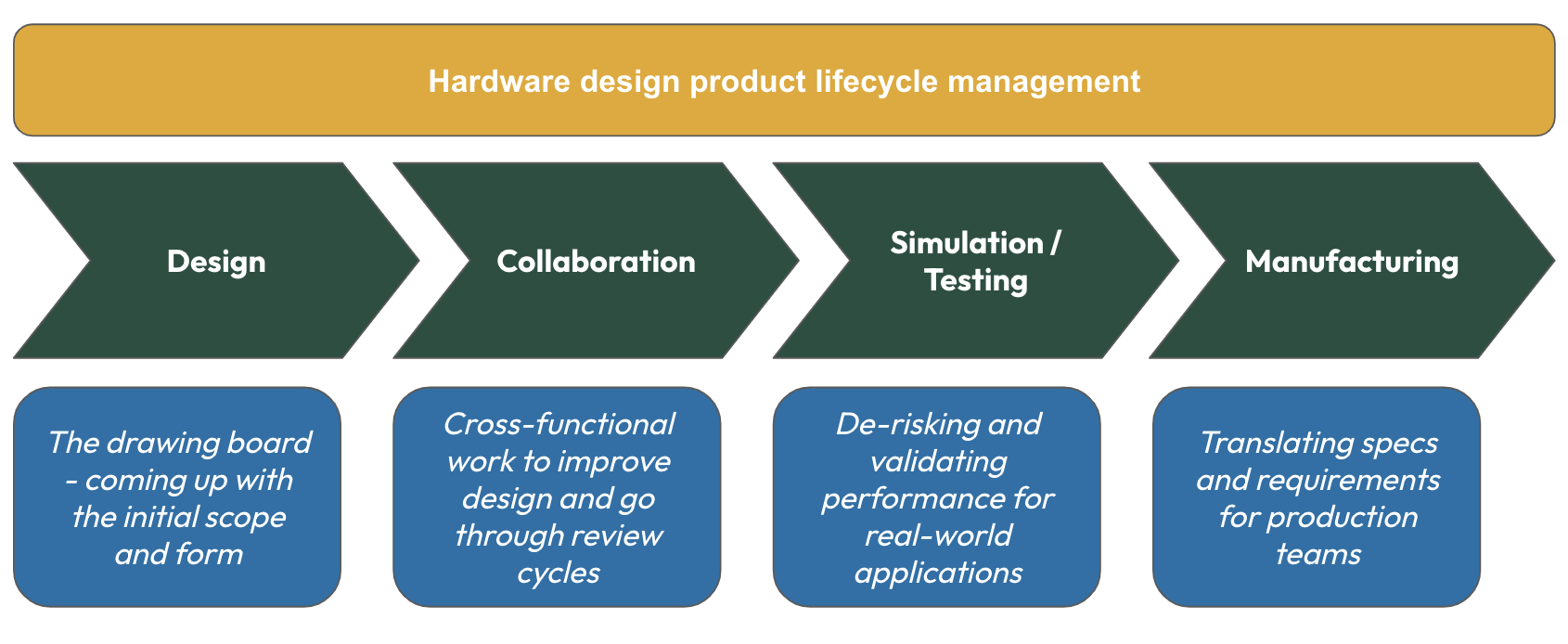 Building the next generation of hardware: Why AI-powered engineering tools matter
Over the past few decades, engineering teams have relied on software like SolidWorks, CATIA, NX, Fusion 360, KiCAD, Altium, and others. These tools undeniably advanced the field beyond pencil and paper, but they have changed only marginally since the 1990s. Most still run on the same underlying kernels and paradigms that existed when dial-up internet was state of the art. The result? Cumbersome, GUI-heavy workflows that demand constant manual intervention – the engineering equivalent of sliding beads on a counting frame. Just as an abacus requires a human to move each bead, traditional CAD/PLM software requires engineers to perform every action step-by-step through buttons and menus. It’s no wonder these legacy tools have become creativity-stifling bottlenecks in modern product design.
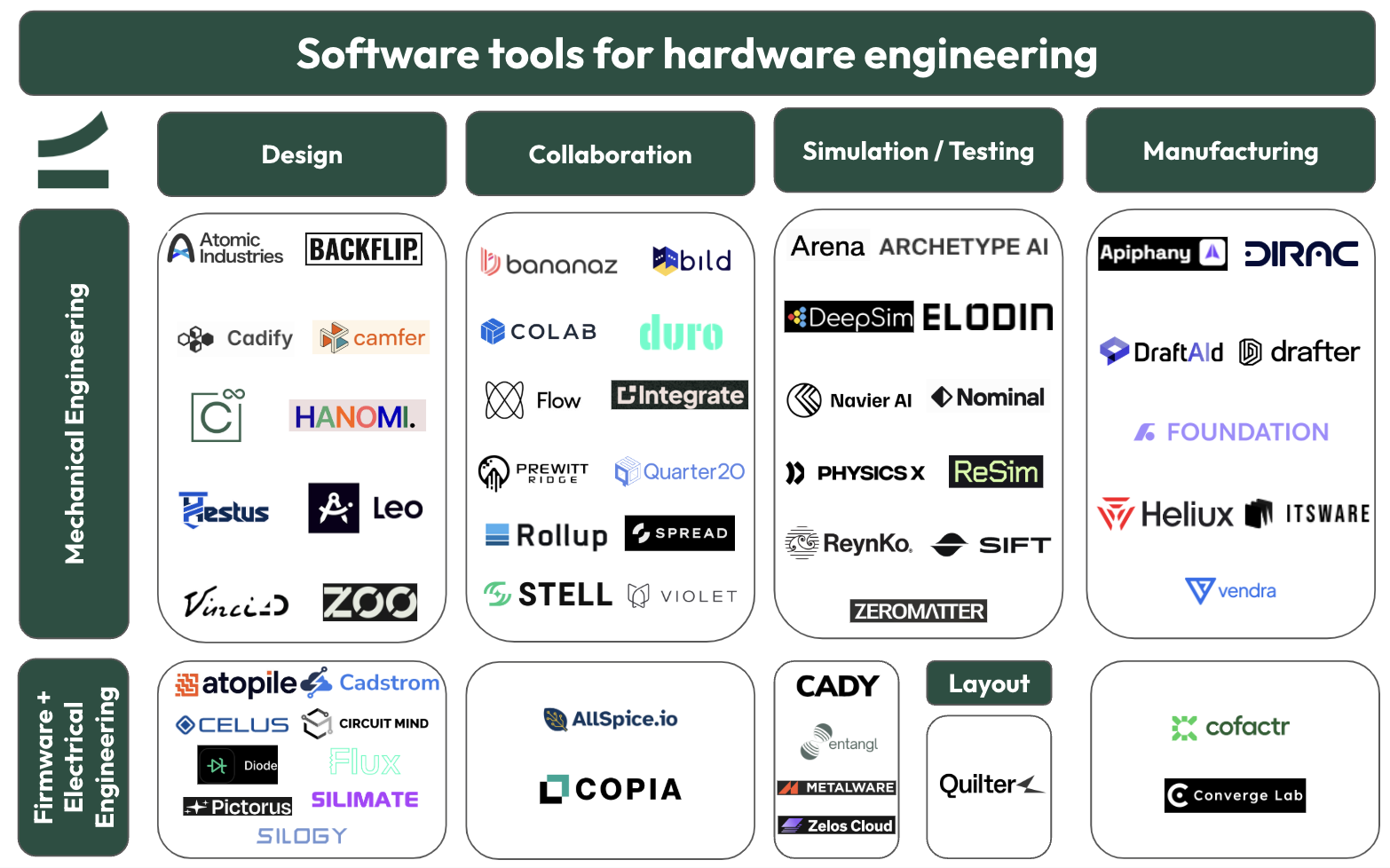 Building the next generation of hardware: Why AI-powered engineering tools matter
A Paradigm Shift in the Making
ProductFlo proposes a radical departure from this status quo. In the same way the computer automated calculations and unlocked entirely new possibilities beyond the reach of the abacus, ProductFlo’s AI-driven approach automates and augments engineering work beyond the limits of traditional CAD. A computer can execute tasks automatically and at blazing speed, whereas an abacus (or any manual tool) relies on human operation and is comparatively slow. That is the magnitude of difference we’re talking about – moving from manual, tool-by-tool drudgery to fluid, intelligent automation. In this blog post, we’ll dive deep into why ProductFlo represents this generational leap: exploring the flaws of the old approach, the first-principles design of our platform (and its AI assistant “Haitch”), and what this new paradigm means for engineers and product leaders.
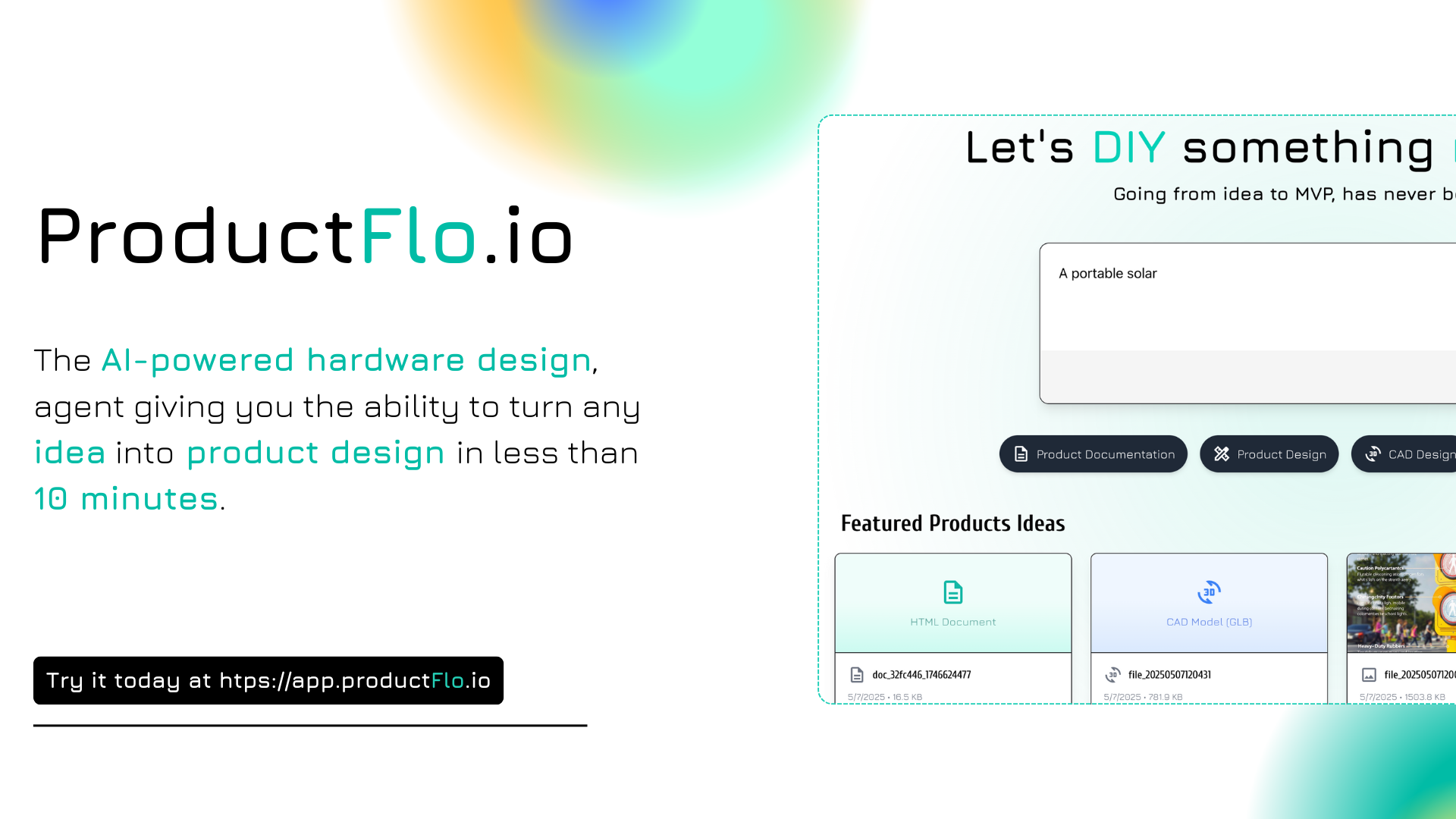 The AI-powered agent, giving the ability to turn any product idea into engineering design files.
TLDR: Key Takeaways
- ProductFlo represents a generational leap for hardware engineering, moving beyond the manual, GUI-heavy workflows of legacy MCAD/ECAD tools.
- Traditional CAD/PLM software is built on decades-old paradigms, requiring engineers to perform every step manually—like using an abacus in the age of computers.
- ProductFlo’s AI-driven platform automates and augments engineering work, enabling faster, more creative, and less error-prone product development.
- The platform is designed from first principles, not as an incremental improvement, but as a complete rethinking of how hardware is built.
- ProductFlo introduces “Haitch,” an AI assistant that helps engineers collaborate, automate tasks, and generate design files, unlocking new possibilities for teams of all sizes.
Stop bad hardware changes before they ship.
30-day pilot on one active product. Fixed $8k. Live on your own BOM in week one.